

The First National Workshop on Gene Editing in Benin brought together researchers, policymakers, regulatory institutions and international partners from November 10 to 12, 2026, at the University of Abomey-Calavi (UAC). The three-day meeting provided a platform for scientific dialogue, knowledge sharing and collaborative reflection on the opportunities, challenges and conditions required to advance gene editing research and its responsible application in Benin.
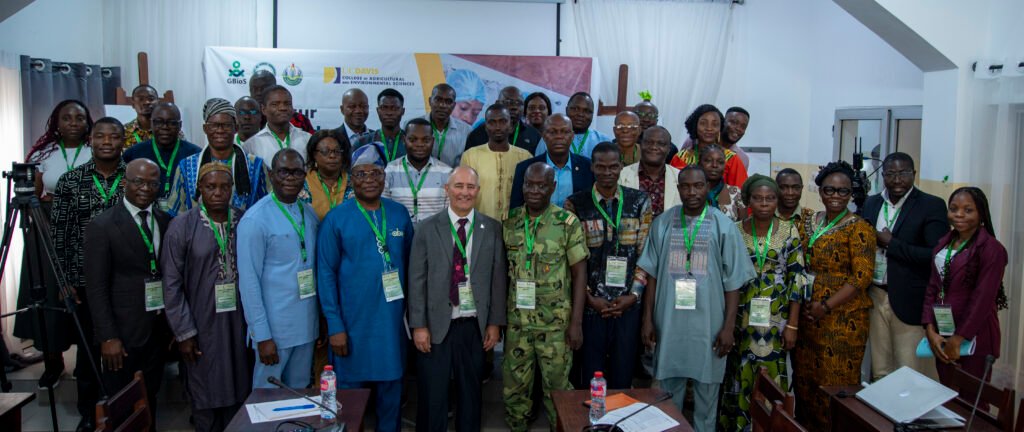
Gene editing is opening new perspectives for agricultural research and crop improvement, offering opportunities to develop varieties with desirable agronomic traits and contribute to more productive and resilient food systems. However, translating these technological advances into practical solutions requires more than scientific expertise. It also depends on appropriate regulatory frameworks, research infrastructure, skilled human resources, functional seed systems and effective communication.
Recognizing these interconnected needs, the Genetics, Biotechnology and Seed Science Unit (GBioS) of the Faculty of Agricultural Sciences (FSA), University of Abomey-Calavi, organized the First National Workshop on Gene Editing in Benin under the theme “Gene Editing: Science, Regulations and Policy in Benin.” The workshop aimed to facilitate dialogue among national and international stakeholders and contribute to defining a coordinated pathway for the development and responsible implementation of gene editing in the country.
Exploring the scientific opportunities and applications of gene editing
The first day’s technical sessions focused on gene editing processes and products, as well as emerging trends and developments in the field. Participants explored the fundamentals of gene editing and its potential applications in crop improvement.
A researcher from the World Vegetable Center presented the progress and priorities of their vegetable breeding work, with a focus on okra, while the GBioS team presented the achievements, ongoing research and perspectives of its cereals (maize and fonio) breeding program. From a perspective standpoint, GBioS highlighted the potential of combining nuclear techniques, genomic tools including gene editing, and microbial inoculants to improve plant performance and nutrition.
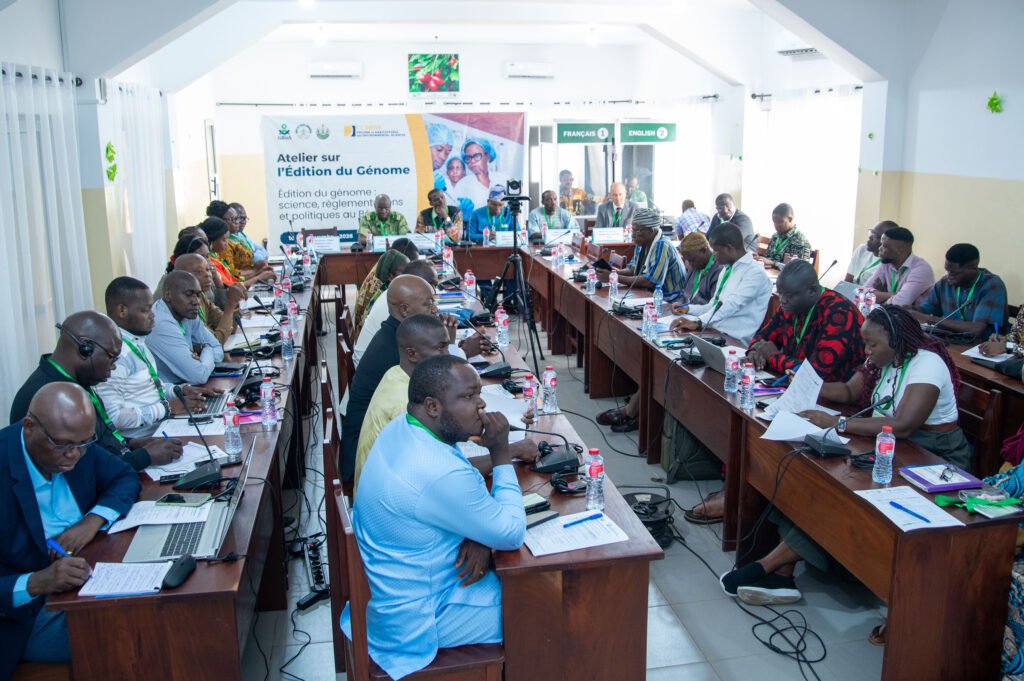
Stakeholders gathered during the First National Workshop on Gene Editing in Benin to exchange knowledge and discuss the opportunities, challenges and prospects of this emerging technology.
Beyond crop-specific applications, presentations provided an overview of the gene editing landscape at national, regional and international levels. Participants learned about ongoing research initiatives, opportunities and bottlenecks in Benin, experiences from rice gene editing research at the Biotechnology and Nuclear Agriculture Research Institute (BNARI) in Ghana, and issues surrounding intellectual property and access to gene editing technologies.
These exchanges highlighted the need to connect scientific research priorities with technological developments and the broader institutional and policy environment.
Addressing the scientific, technical and regulatory challenges
On November 11, discussions shifted towards the practical conditions and limitations affecting the implementation of gene editing in Benin.
Under the theme “Limitations for Gene Editing Implementation in Benin,” the second day examined four interconnected areas: scientific and technical capacity, biosafety and regulatory frameworks, seed systems and intellectual property, and science communication.
Participants discussed the country’s existing research infrastructure, laboratory requirements and human resource needs for conducting gene editing research. Particular attention was given to biosafety and regulatory considerations, including Benin’s biosafety framework, the Cartagena Protocol on Biosafety, regulatory developments across Africa, and the requirements associated with varietal registration and seed certification, including Distinctness, Homogeneity and Stability (DHS) and Value for Cultivation and Use (VATE) testing.
The discussions also explored the conditions necessary to facilitate access to gene editing technologies, protect intellectual property and support the responsible development and dissemination of improved varieties.
Recognizing that public understanding is essential to the responsible development of emerging technologies, participants further examined the role of science communication in making gene editing accessible to wider audiences, strengthening institutional communication and promoting informed public dialogue.
The technical exchanges were complemented by a virtual visit to the laboratory of the International Institute of Tropical Agriculture (IITA) in Kenya, followed by a physical visit to GBioS research facilities at the University of Abomey-Calavi. Participants discovered the Unit’s biotechnology and molecular biology laboratories, as well as its CalaviGen genebank platform.
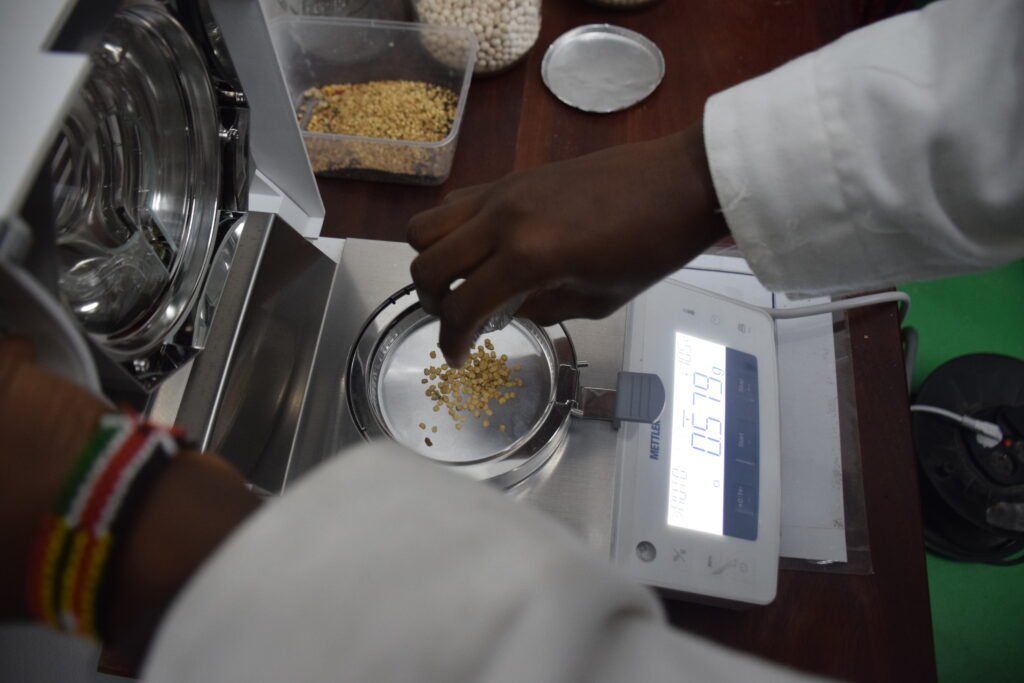
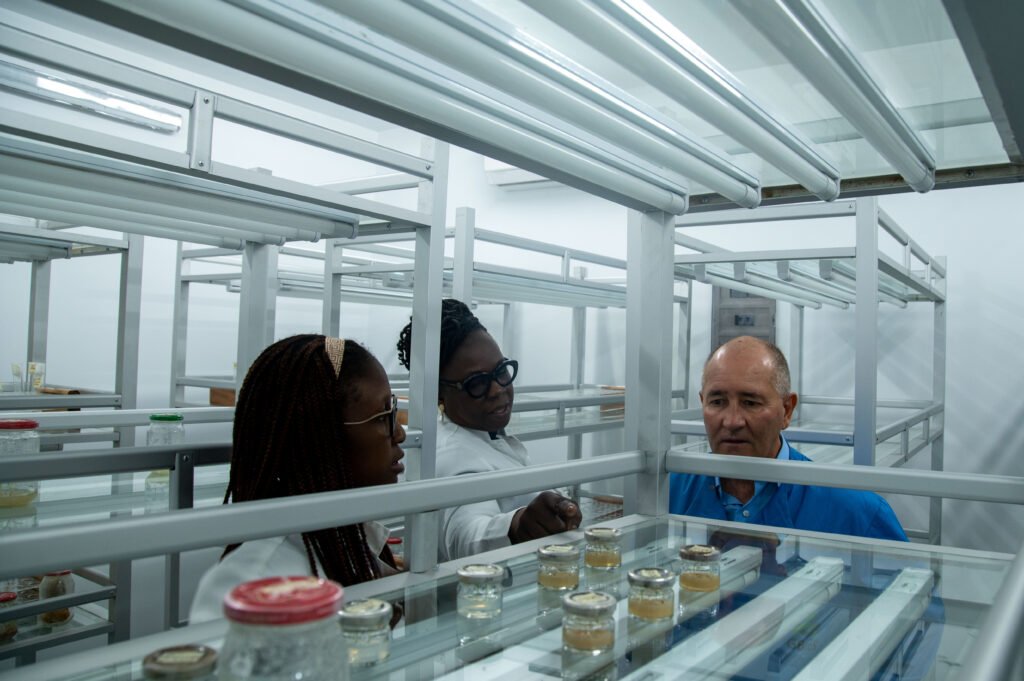
These visits provided an opportunity to appreciate existing research capacities and discuss the infrastructure and institutional investments needed to strengthen the country’s ability to undertake advanced biotechnology research.
From discussions to action: Defining priorities and recommendations
The final day, November 12, focused on translating the scientific exchanges and collaborative reflections of the previous two days into concrete recommendations and strategic priorities.
Two expert panel discussions provided a platform to examine the major scientific challenges of gene-editing implementation in Benin and identify possible pathways forward.
The first panel, moderated by Prof. Allen Van Deynze from the University of California, Davis, focused on scientific and technical challenges. It brought together Dr. Samuel Amiteye, a representative from the BNARI in Ghana, Prof. Enoch Achigan-Dako and Prof. Antoine Missihoun, both professors at the University of Abomey-Calavi. Discussions addressed research capacity development, the strengthening of human resources, access to appropriate infrastructure and the actions required to support gene editing research in Benin.
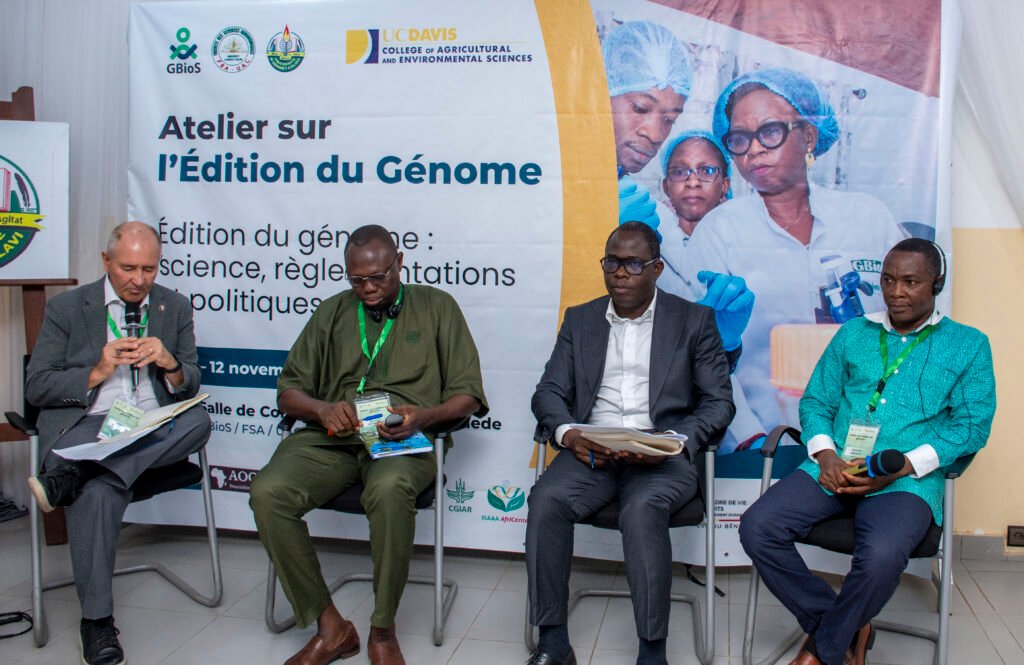
One of the key recommendations emerging from this discussion concerned the establishment of funding mechanisms capable of supporting cultivar development and seed dissemination, while encouraging stronger public-public and public-private partnerships.
The second panel, moderated by Dr. Eric Agoyi, the technical director of the Beninese Seed and Plant Development Company (SoDeSeP S.A.), examined regulatory and social policy aspects. It featured Dr. Félicien Amakpe (national focal point for the Cartagena Protocol on Biosafety), Mr. Gabin Samba (head of the national seed department), Dr. Walter Langat (program officer at the International Service for the Acquisition of Agri-biotech Applications – ISAAA), and Mr. Chijiwka Mutibo (senior program officer at the African Union Development Agency – New Partnership for Africa’s Development – AUDA-NEPAD). The discussions addressed regulatory pathways, intellectual property considerations and access to gene editing technologies, emphasizing the importance of an enabling policy environment that supports innovation while ensuring responsible deployment.
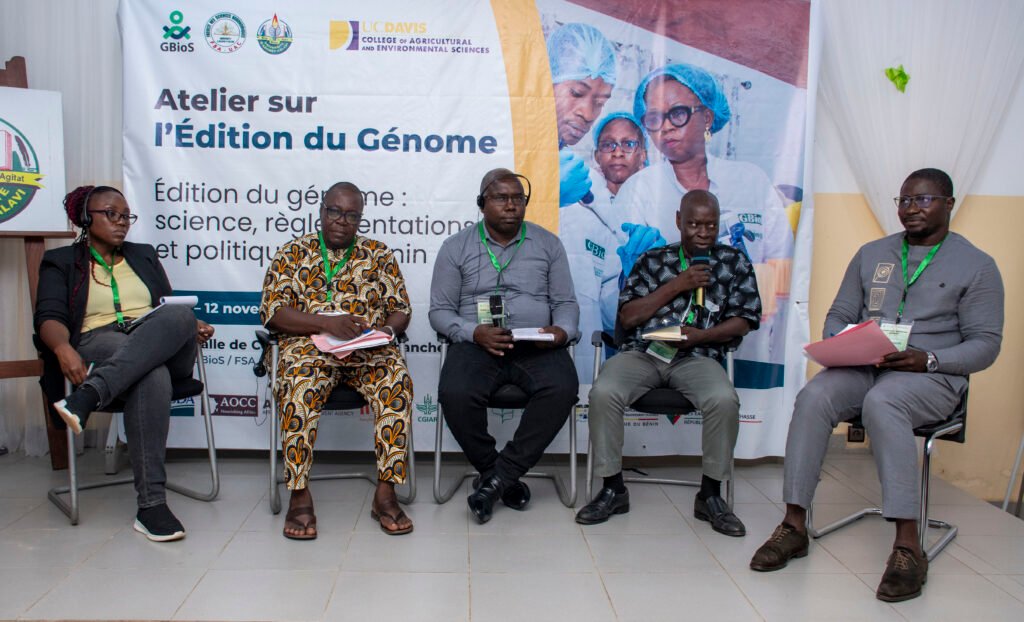
The day concluded with collaborative group discussions, during which participants suggested an action plan for an enabling scientific and regulatory framework for the development of gene editing in Benin. The plenary session that followed provided an opportunity to present, examine and discuss the outcomes of the working groups. This collective reflection helped consolidate the main recommendations and contribute to the development of a roadmap for advancing gene editing in Benin.
Building a collaborative pathway for agricultural innovation in Benin
Over the three days, the workshop demonstrated that the advancement of gene editing in Benin requires a coordinated approach involving scientific institutions, policymakers, regulators, researchers, development partners and other relevant stakeholders.
The discussions highlighted several priorities: strengthening scientific and technical capacities, improving research infrastructure, developing appropriate regulatory and biosafety frameworks, facilitating access to technologies, reinforcing seed systems, mobilizing sustainable funding and promoting effective science communication.
More broadly, the workshop provided an opportunity to strengthen connections between national and international research communities and encourage dialogue between scientific institutions and public decision-makers.
For GBioS and the University of Abomey-Calavi, this initiative represents an important contribution to ongoing efforts to strengthen agricultural research and innovation in Benin. It also reinforces the importance of positioning biotechnology research within a broader framework that connects scientific excellence, institutional collaboration, responsible innovation and national agricultural priorities.
As Benin continues to explore the opportunities offered by emerging biotechnologies, the challenge will be to translate the recommendations and shared ambitions of this workshop into coordinated actions, sustainable partnerships and tangible results for agricultural development.
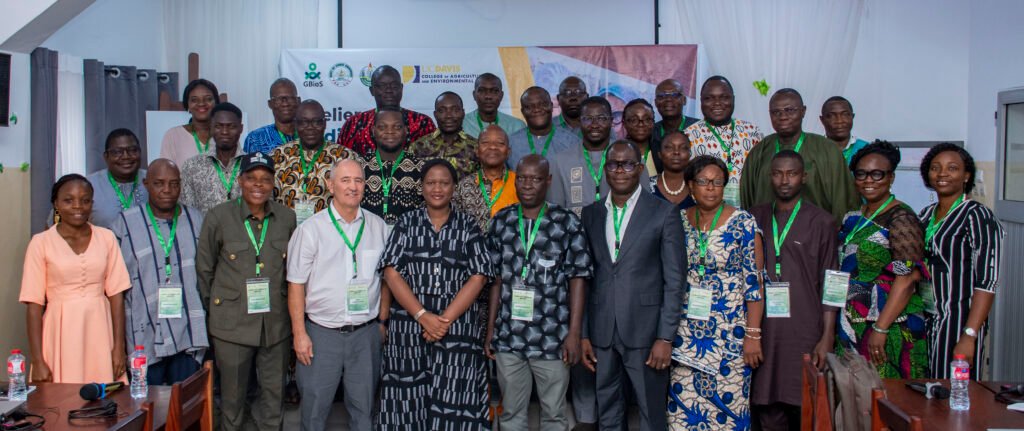
The workshop closed with a shared commitment to strengthening collaboration among researchers, policymakers, regulatory institutions and partners to create an enabling environment for the responsible development and application of gene editing in Benin.