Akponikpè, T. L. I., Sossa, E. L., Ahoudou, I., Ibrahim Bio Yerima, A.R., Amadji, G.L., Piutti, S., and Achigan-Dako, E.G., Genotype-by-environment interaction analysis for flowering, maturity time and yield in fonio across traditional and prospective production areas in Northern Benin. Scientific Reports (2026). https://doi.org/10.1038/s41598-026-61573-9
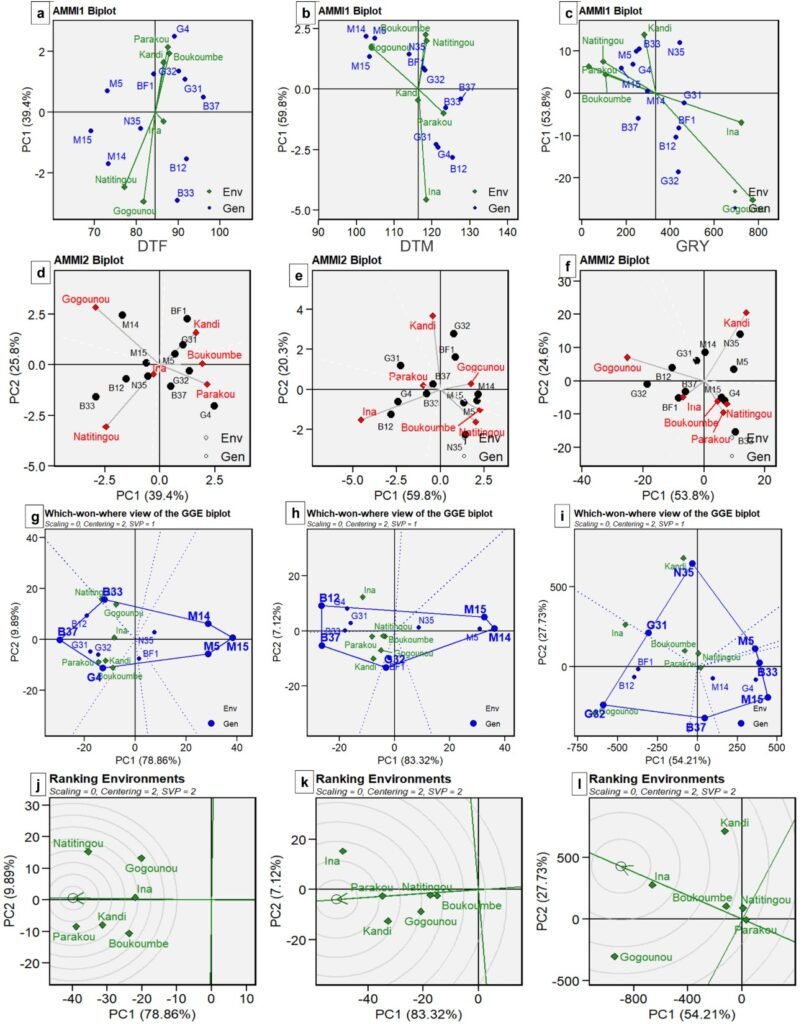
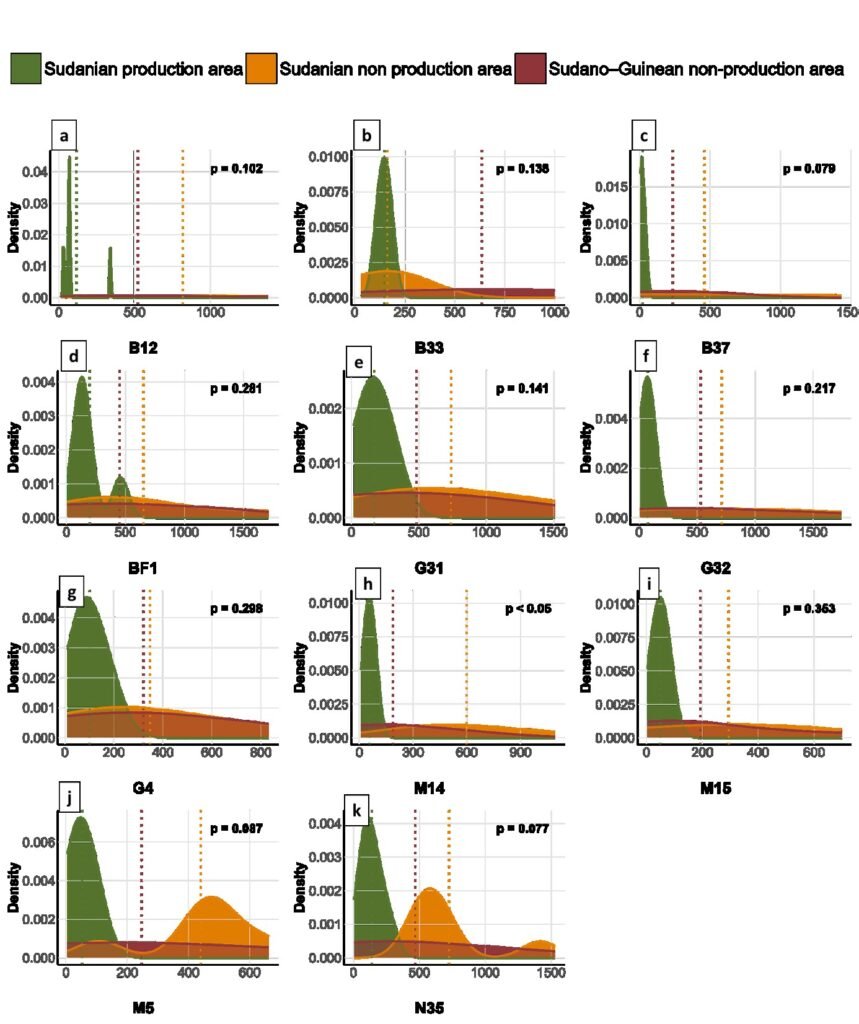
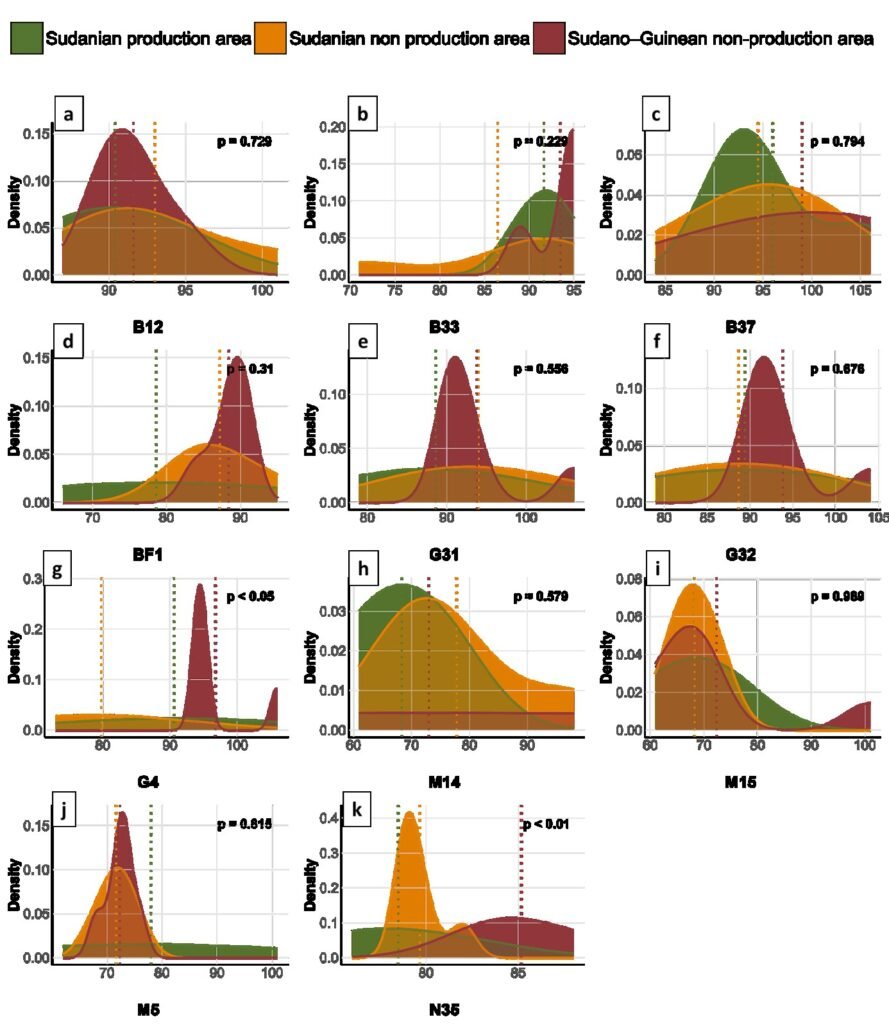
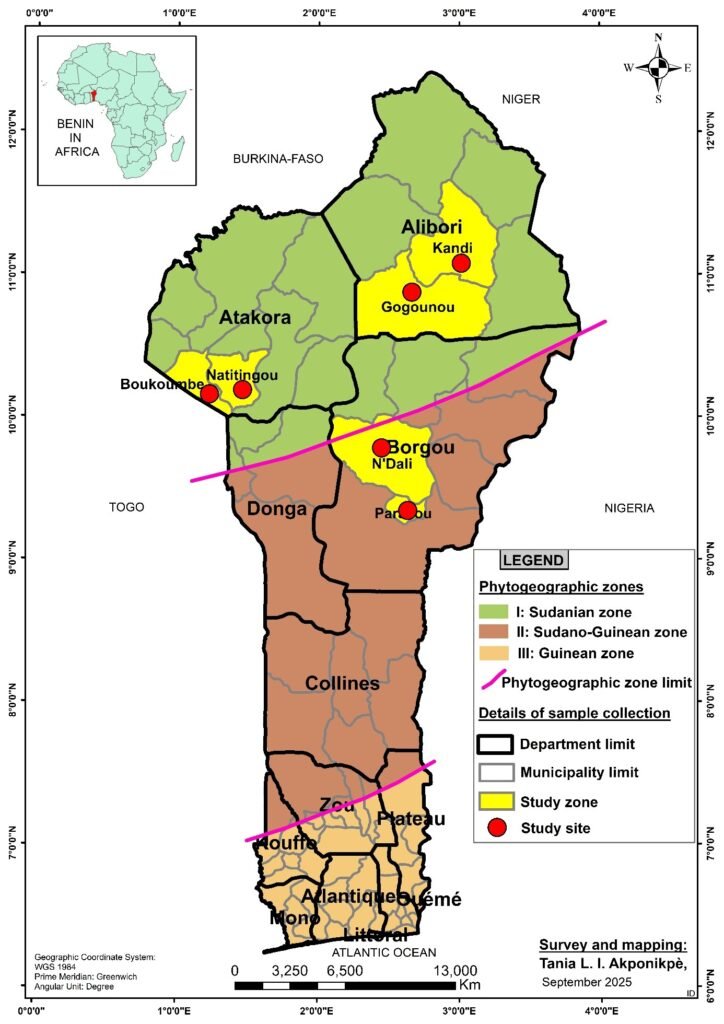
In this study, the critical gap in understanding how fonio (Digitaria exilis) responds to contrasting pedoclimatic conditions, both within and outside its traditional production areas was addressed. A multi-environment trial was carried out to identify high-yielding genotypes with either broad stability or specific adaptation, thereby enabling targeted varietal recommendations to support the expansion of fonio cultivation into new areas. Randomized complete block design was used in six environments including eleven genotypes to evaluate days to flowering and maturity, and grain yield. The Additive Main effect and Multiplicative Interaction and the Genotype main effect and Genotype x Environment interaction biplots revealed a significant effect of the genotype-by-environment interactions on traits, with genotypes B12 and G31 identified as high-yielding, while genotypes M5 and M14 were revealed as early-flowering and maturing ones. Genotypes M14 and M15 were adapted to all environments and were early maturing. Boukoumbe, known as the fonio, production area in Benin, was the most desirable for earliness, while Ina was the most ideal for grain yield, proving that it could be cultivated in Sudanian and Sudano-Guinean areas. Factor analysis revealed precipitation, C:N ratio, soil pH and texture as the main environmental variables influencing grain yield. Our findings contributed to selecting stable, adapted genotypes.