Capo-Chichi D.B.E., Tchokponhoué D.A., Sogbohossou D.E.O., Houégban J., N. V. Fassinou Hotegni, E G. Achigan-Dako. Genetic architecture and candidate loci associated with growth and yield-related traits in sweet fig banana (Musa acuminata cv Sotoumon, AA). BMC Genomics (2026). https://doi.org/10.1186/s12864-026-13036-8
Background: Yield in Sweet fig banana is an economic trait for enhancing the production in the perspective of improving nutrition and income for smallholder farmers. Consequently, understanding its genetic basis is a major focus in breeding new varieties. To reveal loci linked to yield-related traits in sweet fig banana, 238 accessions from Benin were characterized in field trials at two locations over 3.5 years. Genome-wide association studies (GWAS) were performed using 1,473 high-quality SNPs and five statistical models—GLM, MLM, BLINK, FarmCPU, and MLMM.
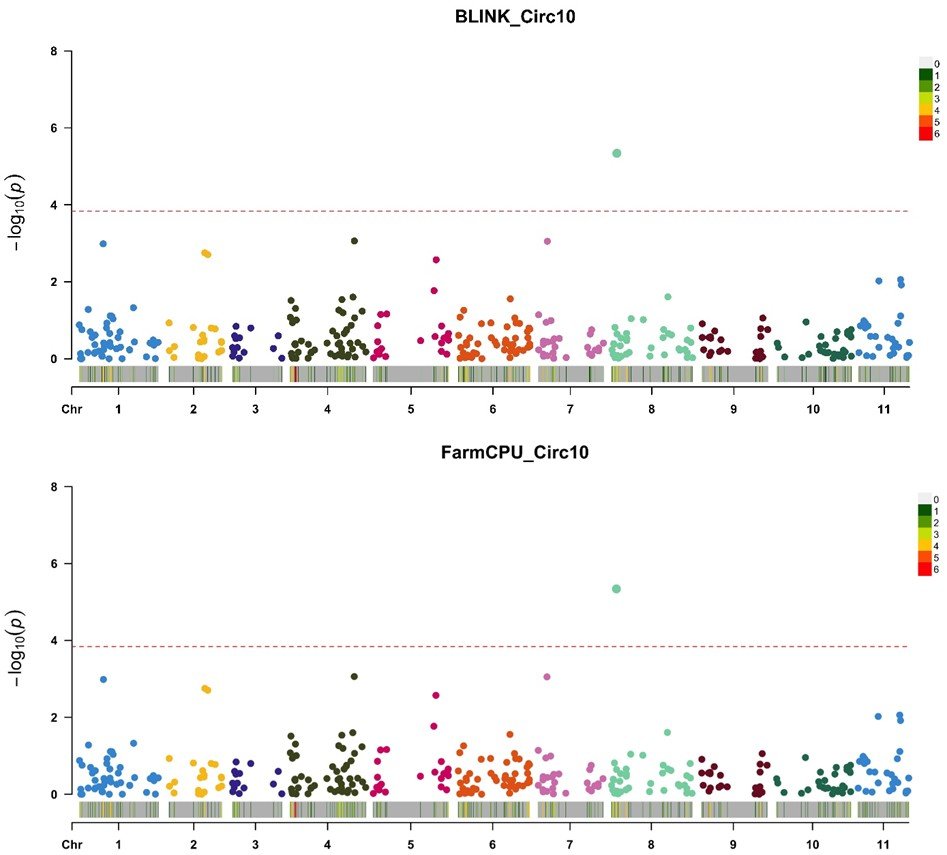
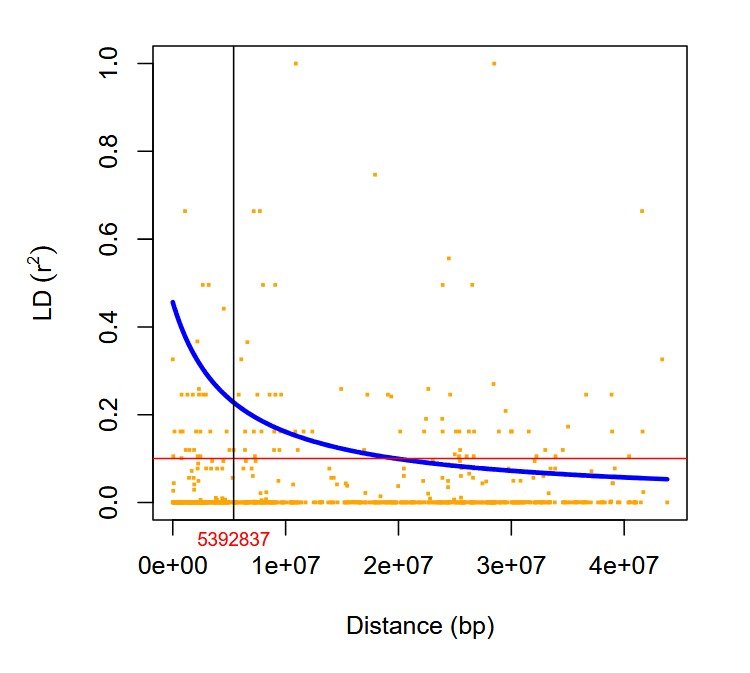
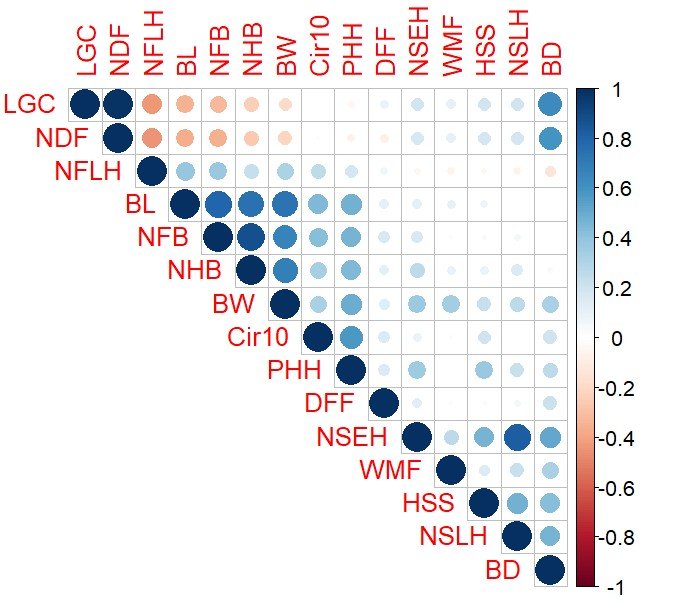
Results: Findings revealed significant variation in all phenotypic traits among accessions. LD decay of 5.392 Mb physical distance was noted in sweet fig banana chromosomes. GWAS identified 29 significant SNPs associated with growth traits and 16 with yield-related traits. Two SNPs were identified only in single-locus models, 36 exclusively in multi-locus models, and seven were shared by both. Moreover, 16 putative candidate genes associated with traits were identified. Plant height and yield-related traits exhibit a polygenic architecture, governed by the cumulative minor effects of multiple SNPs. Four multi-locus traits were detected. Given the extensive LD decay, marker-traits associations (MTA) for polygenic traits likely indicate haplotypic effects, and the multi-trait loci may be pleiotropic or tightly linked genes.
Conclusions: This study provides an initial understanding of the genetic control of growth and yield traits in sweet fig banana and offers a foundation for genomics-assisted breeding in dessert banana.